
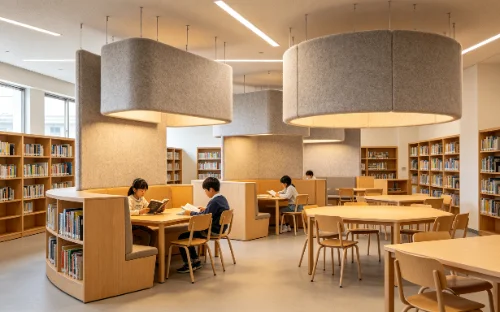
Open plan offices are designed to improve collaboration, but they often create a serious problem: noise pollution. Conversations, phone calls, footsteps, and equipment noise can quickly reduce productivity and increase stress levels. This guide explains practical and effective ways to reduce noise in open plan offices effectively, especially using modern acoustic design strategies.
Why Open Plan Offices Are So Noisy
Open plan layouts remove physical barriers between employees, which naturally increases sound transmission. The main noise sources include:
- Human conversations (especially across desks)
- Phone and video calls
- Keyboard typing and equipment noise
- Movement and foot traffic
- Sound reflections from hard surfaces (glass, concrete, metal)
Without proper acoustic treatment, these sounds bounce across the space, amplifying overall noise levels.
The Real Impact of Office Noise
Excessive noise does more than cause discomfort. It directly affects business performance:
- Reduced employee concentration
- Increased fatigue and stress
- Lower communication efficiency
- Higher error rates in tasks
- Reduced privacy in meetings
This is why companies increasingly invest in acoustic office solutions to improve workplace performance.
1. Use Acoustic Ceiling Solutions (Highest Impact)
One of the most effective ways to reduce noise in open plan offices effectively is treating the ceiling.
Recommended solutions:
- Acoustic ceiling clouds
- Hanging baffles
- PET felt ceiling panels
These materials absorb sound waves before they reflect back into the room, significantly reducing echo and background noise.
👉 Ceiling treatment is often the first priority in professional acoustic design.
2. Install Fabric Wrapped Acoustic Wall Panels
Walls are large reflective surfaces that amplify noise. Installing fabric wrapped acoustic panels helps absorb mid-to-high frequency sounds such as speech.
Benefits:
- Reduces speech echo
- Improves privacy
- Enhances acoustic comfort
- Adds aesthetic value to interiors
These panels are especially effective in meeting rooms, corridors, and shared workspaces.
3. Use Desk Partitions for Visual + Acoustic Separation
Low desk dividers or partitions help break sound paths between employees.
Recommended materials:
- PET felt partitions
- Acoustic fabric screens
They are especially useful in dense workstation layouts and can reduce direct speech transmission.
4. Improve Room Layout Design
Acoustic performance is not just about materials—it’s also about layout planning.
Best practices:
- Separate quiet zones and collaboration zones
- Avoid long straight desk rows (sound travels further)
- Place meeting rooms away from open work areas
- Use furniture as sound barriers
Good layout design can significantly enhance overall office acoustic performance.
5. Use Soft Materials to Absorb Sound
Hard surfaces reflect sound, while soft materials absorb it.
Add:
- Carpets or carpet tiles
- Upholstered furniture
- Curtains in glass-heavy areas
- Acoustic wall coverings
These elements reduce sound reflection and help balance room acoustics.
6. Control Background Noise Sources
Some noise comes from office equipment:
- Printers
- HVAC systems
- Servers or machines
Solutions include:
- Enclosing noisy equipment
- Using vibration isolation pads
- Installing acoustic enclosures
7. Combine Multiple Acoustic Layers (Best Practice)
The most effective strategy is combining:
- Ceiling absorption
- Wall panels
- Desk partitions
- Soft furnishings
This layered approach creates a balanced acoustic environment instead of relying on a single solution.
Explore Our PET Acoustic Panel Solutions
From minimalist wall claddings to complex 3D ceiling clouds

PET ACOUSTIC PANEL
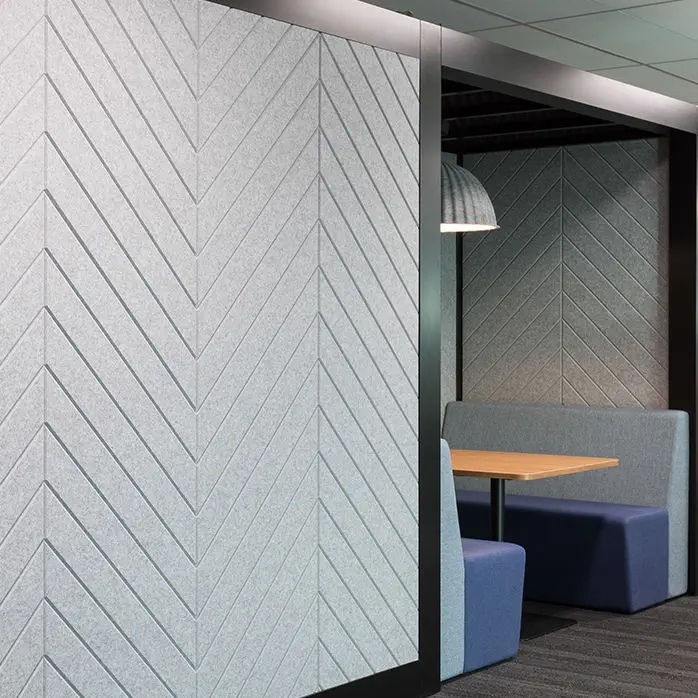
WALL PANEL
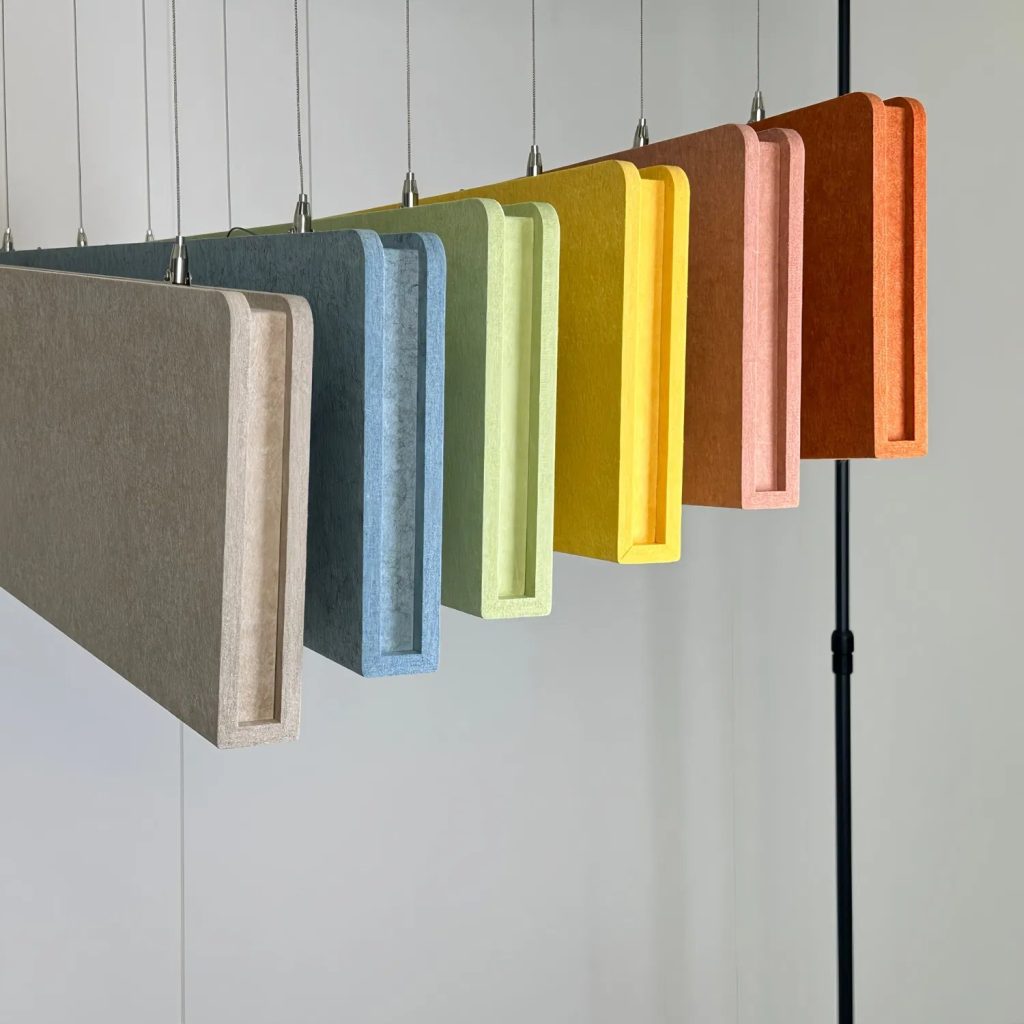
CEILING PANEL

ACOUSTIC DIVIDER
To truly reduce noise in open plan offices effectively, companies must move beyond simple furniture solutions and adopt a full acoustic strategy. The most successful offices use a combination of ceiling treatment, wall absorption, and spatial planning.
Investing in proper acoustic design not only reduces noise but also improves productivity, employee satisfaction, and overall workplace quality.
Call to Action
If you are designing or upgrading a commercial workspace, consider integrating professional acoustic materials such as PET felt panels and ceiling cloud systems to achieve optimal results.
👉 Explore acoustic office solutions for better workplace performance.